As the world continues to reel from President Donald Trump’s surprise announcement that a U.S. military operation resulted in the capture of Venezuelan President Nicolás Maduro and his wife, Americans are wrestling with the uncertainty of what comes next. Global markets are now facing increased volatility from geopolitical tensions and shifting sanctions, which could lead to higher prices for Americans.
While there are still many unknowns, experts advise that planning ahead can help mitigate the financial impact that could ripple down to your wallet. Here’s how to help lessen the blow and prepare for potential oil price shocks, supply disruptions and sudden sanctions.
When gas prices jump, people panic because it impacts necessities.
“Your grocery bill climbs because transportation costs more,” said Andrew Lokenauth, finance expert at Be Fluent in Finance. “Your heating bill doubles and suddenly, you’re cutting back on savings or racking up credit card debt just to stay afloat.”
Assuming stability can blindside a household, but having a cushion and budget flexibility can help through tough times.
“Think of it like insurance — you don’t wait until the hurricane is offshore to board up your windows,” Lokenauth explained. “Sanction-proofing your budget means you’re not choosing between heating your home and feeding your kids when oil markets go sideways,” he said.
See Next: 4 Everyday Expenses Trump Promised To Lower — Here’s What They Cost Now
Trending Now: How Middle-Class Earners Are Quietly Becoming Millionaires — and How You Can, Too
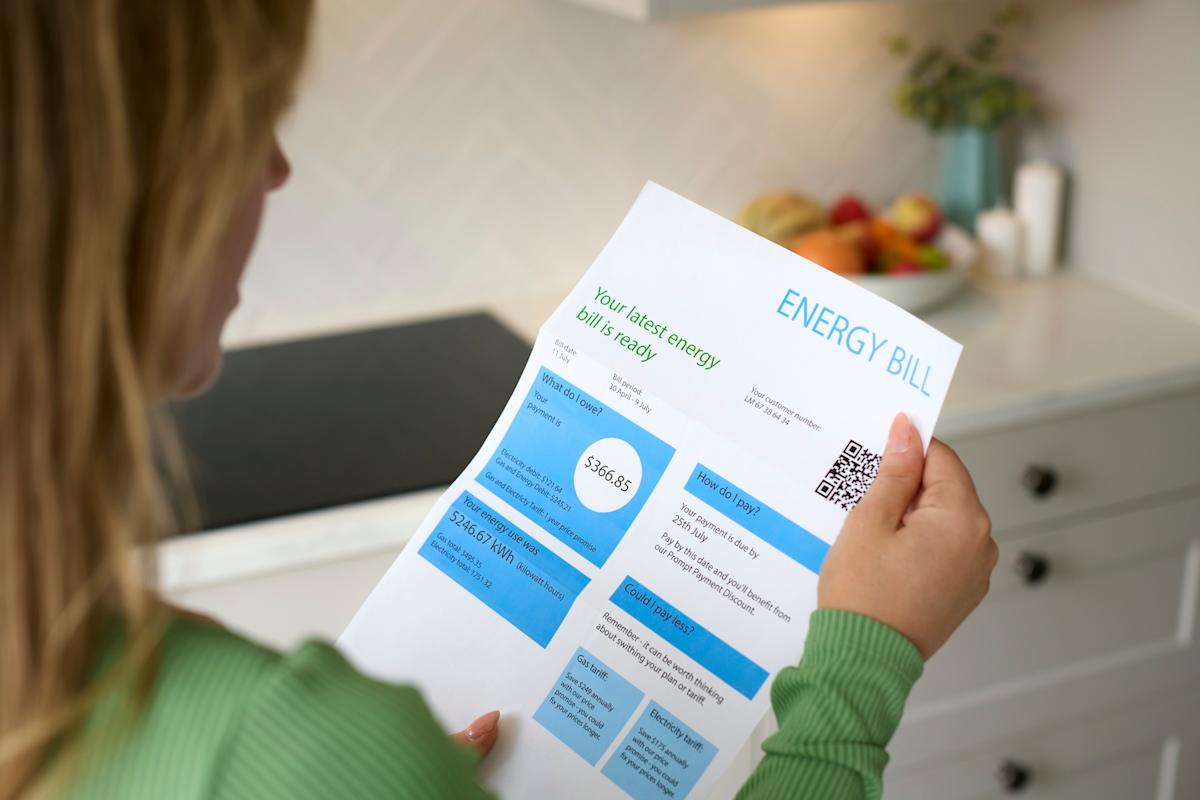
You never know when you’ll need to dip into your emergency fund and if natural gas prices rise, household utilities can soar over your monthly budget.
“General financial planning principles suggest you should have three to six months’ worth of expenses saved in this account, but if you anticipate higher utility costs or any other increases in fixed costs, you should boost that fund more than what you normally have,” said Eric Mangold, certified wealth strategist (CWS) and founder of Argosy Wealth Management.
There’s no need to waste money on energy bills. Cut back on home energy use by doing a few simple things around the house.
“I spent roughly $300 on weatherstripping, door sweeps and outlet insulators and heating costs dropped 15% that winter,” Lokenauth said.
Things to focus on include: Sealing cracks in attics, basements and windows, which are usually the culprits. If it’s a basic job, Lokenauth suggested heading to the hardware store to buy a kit that takes an afternoon to install, rather than hiring a pricey contractor.
This one sounds like a small change, but the savings can add up fast. Don’t use appliances during peak hours. Run your dishwasher and laundry and charge devices late at night or early in the morning when rates are lower.
“Many utilities offer time-of-use pricing and you can save 10% to 25% just by timing things differently,” Lokenauth said. “I started doing laundry at 10 p.m. instead of 6 p.m., which sounds weird, but my monthly bill dropped $20 — a savings of $240 a year for basically zero effort.”
According to Fergus Hodgson, chartered alternative investment analyst (CAIA), financial economist and director at Econ Americas and author of “The Latin America Red Pill,” there is no way to sanction-proof your budget, but you can decrease the damaging effects by diversifying your income streams.
While this investing strategy doesn’t save you money, it does help reduce the chance of sanctions “taking a deep bite into your business expenses,” Hodgson said.
“Resisting the temptation to engage in panic selling or market timing will reduce the drag of transaction fees within your portfolio,” he explained. “Similarly, heightening your awareness of price vulnerability does not save you money, but it does mean you will have thought through options to avoid paying more when price increases arise.”
Many consumers don’t realize that in deregulated energy markets, they may be able to lock in fixed electricity or natural gas rates — often for 12 or 24 months — through their utility or a third-party supplier, according to DirectEnergy.com. But be sure to understand all the terms beforehand.
“I did this in May when prices dipped and it saved me about 20% compared to friends who stayed on variable rates,” Lokenauth said. “The savings compound — if your monthly bill is typically $150, that’s $30 back in your pocket every month.”
That’s an extra $360 you keep in your pocket for the year.
Energy is something we all rely on, but small lifestyle changes can help avoid costly bills. Oil prices can be unpredictable due to factors such as geopolitics, weather and supply chain issues, leading to overnight price changes.
“You can’t control global markets, but you can control your exposure to them,” said Lokenauth.
Sanction-proofing isn’t about paranoia, it’s about smart risk management.”
Editor’s note on political coverage: GOBankingRates is nonpartisan and strives to cover all aspects of the economy objectively and present balanced reports on politically focused finance stories. You can find more coverage of this topic on GOBankingRates.com.
More From GOBankingRates
This article originally appeared on GOBankingRates.com: How To Sanction-Proof Your Budget Before Oil Markets Get Rocky